

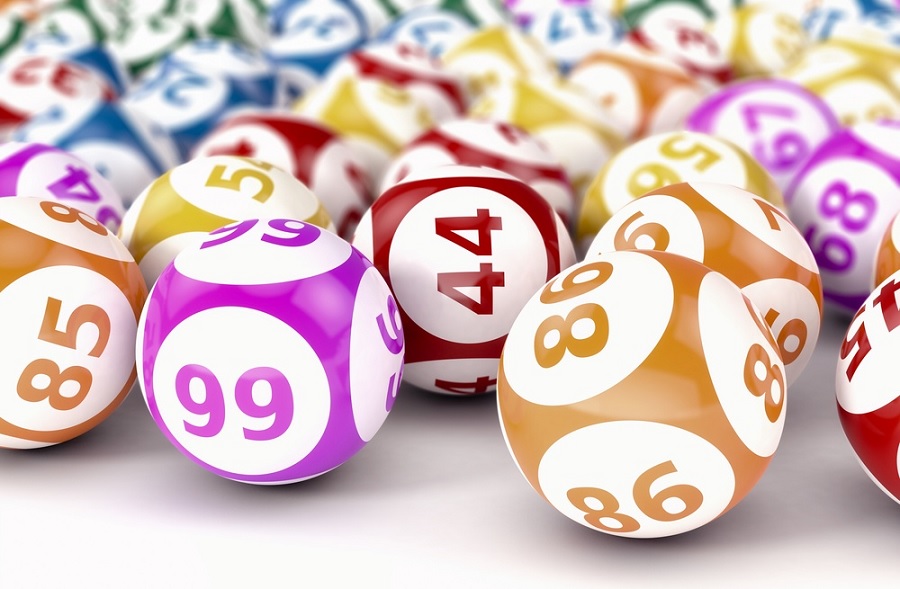
Most people picture a very specific scene when they hear the word bingo. They imagine a quiet community hall, a caller pulling wooden balls from a wire cage, and rows of players gripping colorful ink daubers. While that classic image still exists, the game has evolved far beyond its humble origins. Today, bingo is a dynamic, fast-paced, and highly adaptable game that thrives in both physical venues and massive digital platforms.
The widespread digitization of gaming has blown the doors wide open for experimentation. Developers and traditional halls alike have introduced new variations to suit different attention spans, risk tolerances, and social preferences. Understanding these different bingo variations is key to finding the specific style that matches your preferred pace and engagement level.
The Classic American Favorite: 75-Ball Bingo
If you grew up in the United States or Canada, 75-ball bingo is likely the version you know best. This format is heavily focused on pattern recognition, making it a highly visual and engaging experience.
The game is played on a square 5×5 grid. The columns are labeled with the letters B-I-N-G-O, and each column corresponds to a specific range of numbers. The B column holds numbers 1 through 15, the I column holds 16 through 30, and so on up to 75. The very center square is almost always marked as a “Free Space,” giving players an automatic head start.
What makes 75-ball bingo uniquely entertaining is the sheer variety of winning patterns. While standard lines (horizontal, vertical, or diagonal) are the most common way to win, callers can dictate almost any shape. You might play for a “postage stamp” (a 2×2 square in any corner), a letter of the alphabet, a diamond, or a completely randomized custom shape. The ultimate game of 75-ball is the blackout, also known as a coverall, where a player must daub every single number on their card to win the grand prize. Because the patterns change from round to round, players have to stay sharply focused to ensure they do not miss a win.
The European Staple: 90-Ball Bingo
Across the Atlantic, particularly in the United Kingdom and parts of Europe, 90-ball bingo reigns supreme. This variation offers a completely different rhythm, structure, and social experience compared to its American counterpart.
Instead of a square grid, a standard 90-ball bingo ticket is formatted as a rectangular grid featuring three rows and nine columns. Each row contains exactly five numbers and four blank spaces, meaning a single ticket holds fifteen numbers in total. Players typically purchase these tickets in a “strip” of six. Because a strip of six tickets contains all 90 numbers spread across its grid, players are guaranteed to daub at least one number every time the caller announces a draw. This constant action keeps players continuously engaged.
The pacing of 90-ball bingo is distinct because each game features three separate stages of winning, which naturally builds tension and prolongs the entertainment value of a single round. The prizes are awarded as follows: First, players compete to complete any single horizontal line of five numbers. Once that prize is claimed, the game continues until someone completes two horizontal lines on a single ticket. Finally, the round culminates in the race for the “Full House,” which requires a player to mark off all fifteen numbers on a single ticket.
Because of this tiered prize structure, 90-ball games tend to last longer, fostering a highly social atmosphere where players can chat and interact between the major milestones of the match.
The Middle Ground: 80-Ball Bingo
As bingo transitioned onto the internet, developers realized there was a sweet spot between the visual patterns of 75-ball and the streamlined numerical layout of 90-ball. The result was 80-ball bingo, a variant originally designed to be played on mechanical shutter boards rather than paper tickets.
The 80-ball card is a perfect 4×4 square, containing a total of 16 numbers with no free space. To make the cards incredibly easy to read at a glance, the columns are traditionally color-coded. The first column is red (numbers 1-20), the second is yellow (21-40), the third is blue (41-60), and the fourth is silver or white (61-80).
Playing 80-ball bingo is a hybrid experience. Like 75-ball, you can win by hitting specific patterns, such as the four corners, horizontal lines, or vertical lines. However, the slightly higher number count and the absence of a free space make it feel a bit more rigorous. It is the perfect middle ground for players who want the visual excitement of pattern-hunting but prefer a slightly more structured, modern interface.
The Fast-Paced Thrill: 30-Ball Bingo
Sometimes you simply do not have the time to sit through a multi-stage game of 90-ball or hunt for a complex kite pattern in 75-ball. For players looking for a rapid-fire adrenaline rush, 30-ball bingo, often branded as Speed Bingo, is the ultimate solution.
This hyper-condensed version of the game is played on a tiny 3×3 grid containing just nine numbers. Because the pool of available numbers is restricted to 30, the draws happen incredibly fast. There are rarely any complicated patterns to look for; in almost all 30-ball games, the only way to win is to achieve a blackout by daubing all nine numbers on your card.
Speed bingo rounds are often over in a matter of minutes. This makes it an exceptionally popular format for mobile players who want to squeeze in a quick game during a daily commute or while waiting in line. The rapid turnover of games means that more players get a chance to experience the thrill of a win in a shorter amount of time.
Modern Twists and Specialty Variations
Beyond the standard ball counts, the flexibility of bingo has given rise to several niche variations that completely flip the traditional rules on their head.
Death Bingo
Despite its grim name, Death Bingo is a hilarious and chaotic inversion of the classic game. Instead of trying to complete a pattern, players want to avoid getting a bingo at all costs. The rules are simple: if you complete a standard bingo line, you are eliminated from the game. The last person remaining who has not completed a line is declared the winner. This turns the usual dopamine rush of hearing your number called into a moment of sudden dread, resulting in a highly entertaining and vocal crowd experience.
U-Pick ‘Em Bingo
Borrowing heavily from the mechanics of state lotteries, U-Pick ‘Em Bingo allows players to choose their own numbers rather than purchasing pre-printed cards. Players are given a blank grid and can fill in their favorite numbers, lucky dates, or random sequences. The caller then draws numbers as usual until someone hits the required pattern. This variation appeals strongly to players who enjoy having a sense of agency and superstition in their gaming strategy.
Slingo
While technically a hybrid game, Slingo deserves a mention for how thoroughly it has dominated the online space. Combining the grid layout of 75-ball bingo with the spinning reels of a traditional slot machine, Slingo requires players to spin to reveal the numbers they can daub. It introduces elements of choice, power-ups, and wild cards, bridging the gap between passive number-marking and active casino gameplay.
Choosing the Right Play Style
With so many variations available, finding your ideal bingo game comes down to understanding what you want out of the experience.
If your main goal is socializing and enjoying a prolonged, community-focused game, 90-ball bingo provides the perfect pacing. The three-tier prize system ensures the game stays interesting without demanding frantic attention. Conversely, if you thrive on visual puzzles and keeping a close eye on ever-changing win conditions, the classic 75-ball format will keep you fully engaged.
For those who live in the fast lane and want immediate results, 30-ball bingo delivers rapid-fire entertainment that perfectly suits a busy lifestyle. And if you are simply looking to shake up your routine, specialty games like Death Bingo or U-Pick ‘Em offer refreshing mechanics that require you to look at the traditional bingo card in an entirely new way.
The beauty of bingo lies in its incredible versatility. It is a simple concept—matching numbers on a grid—that can be manipulated, stretched, and condensed to create entirely unique gaming experiences. Whether you are playing with an ink dauber in a bustling hall or tapping a screen from the comfort of your living room, there is a variation uniquely tailored to your playing style.

Comments are closed.